
The Role of a Courier in COVID-19 Vaccine Distribution
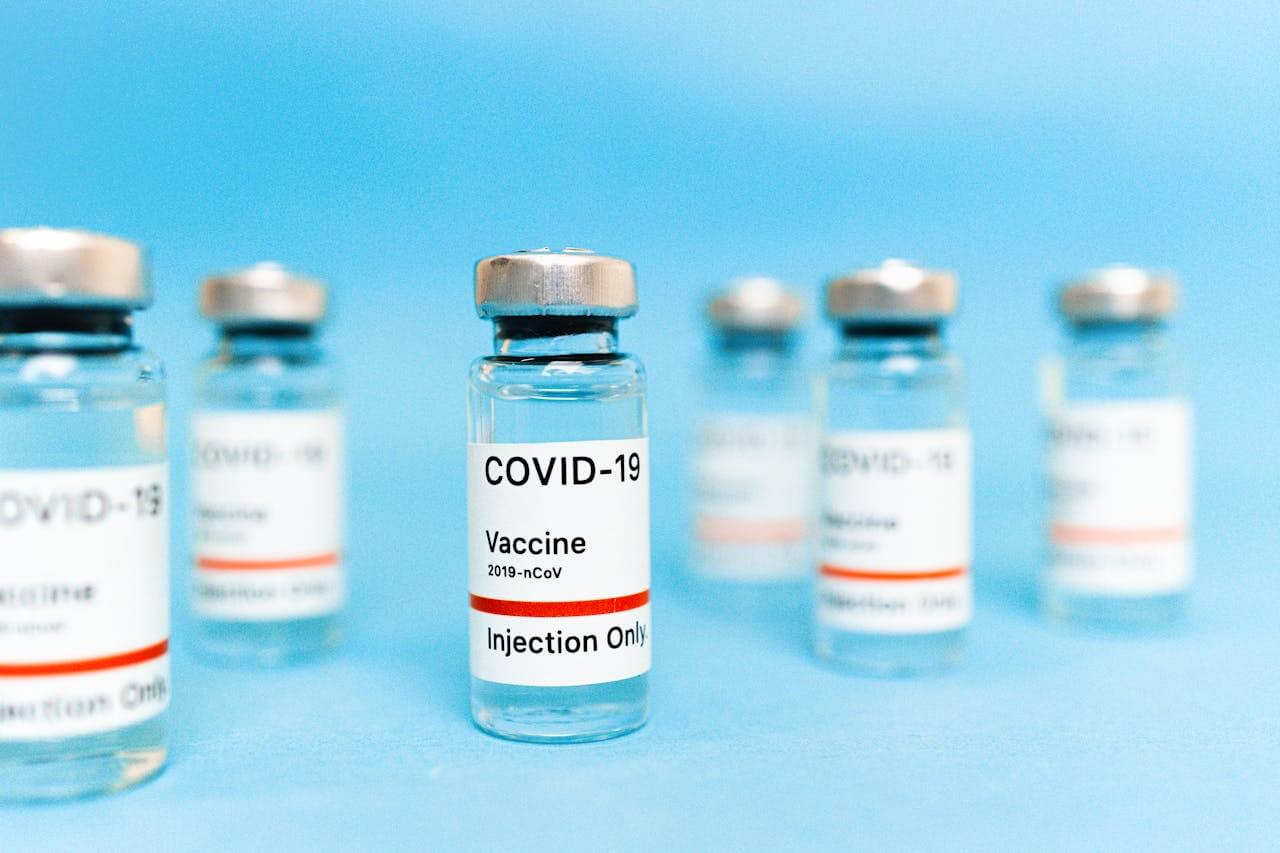
When the first COVID-19 vaccine received emergency use authorization in December 2020, the world breathed a collective sigh of relief. After months of lockdowns, social distancing, and heartbreaking losses, there was finally a light at the end of the tunnel.
But here is something most people don’t realize: getting that vaccine from a manufacturing facility into someone’s arm wasn’t just a medical miracle. It was a logistics miracle.
Behind every vial of the COVID-19 vaccine was an army of couriers, drivers, pilots, and logistics experts working around the clock. They navigated frozen temperatures, global supply chain disruptions, and impossible deadlines. And they succeeded beyond anyone’s expectations.
In this article, we are going to explore the critical role couriers played in COVID-19 vaccine distribution. We will look at the challenges they faced, the technology that made it possible, and the lessons that continue to shape healthcare logistics today.
Let’s dive in.
The Unprecedented Scale of Vaccine Distribution
To understand the role of couriers, you first need to grasp the sheer scale of what was accomplished.
By the end of 2021, Pfizer alone had delivered over 3 billion doses of its COVID-19 vaccine to more than 100 countries around the world . At the peak of distribution, Pfizer was operating over 50 cargo flights per day – every single day – to move vaccines across continents .
UPS, one of the primary logistics partners for vaccine distribution, reached a staggering milestone: 1 billion COVID-19 vaccines delivered with a 99.9% on-time rate . That is not a typo. One billion doses, delivered to 110+ countries, with near-perfect punctuality .
Think about that for a moment. In any other industry, a 99.9% success rate would be considered impossible. But in healthcare logistics, failure is not an option. When a vaccine shipment fails, it doesn’t just hurt a company’s bottom line. It can cost lives.
The Temperature Challenge: A Courier’s Nightmare
Here is where things get really complicated. Unlike a standard package that can sit on a loading dock for hours, COVID-19 vaccines had extremely strict temperature requirements.
The Pfizer-BioNTech vaccine required ultra-low temperature storage between -80°C and -60°C (-112°F to -76°F). To put that in perspective, that is colder than Antarctica in the winter. This made the Pfizer vaccine only the second human vaccine in history to require such extreme cold chain logistics. The first was the Ebola vaccine.
The Moderna vaccine was slightly more forgiving, requiring storage at -20°C (-4°F), which is still far colder than standard pharmaceutical shipments.
For couriers, this meant:
- Specialized thermal shippers capable of maintaining temperature for extended periods
- Dry ice management, including regular replenishment for longer journeys
- Real-time temperature monitoring with alerts for any deviation
- Strict time limits – the Pfizer vaccine had to be transported from facility to patient within 83 hours
One UK government logistics team faced an especially tight window: transporting vaccines from Liverpool to destinations across the globe within 83 hours, while keeping Pfizer doses at -60°C to -70°C using 12.5 kg of dry ice per shipment.
That is the reality of vaccine logistics. Every hour mattered. Every degree mattered.
The Technology That Made It Possible
How did couriers manage to pull this off? The answer lies in technology – specifically, the kind of advanced tracking and monitoring systems that were once reserved for space exploration.
IoT Sensors and Real-Time Monitoring
Specialist couriers used IoT-enabled sensors placed inside every vaccine shipment to track temperature, humidity, and location continuously . These sensors provided:
- Real-time temperature alerts if conditions drifted outside acceptable ranges
- GPS tracking so logistics managers knew exactly where every shipment was
- Chain of custody documentation for regulatory compliance
If a shipment started to get too warm, an alert would trigger immediately, and logistics teams could take corrective action – sometimes even rerouting the shipment to a closer facility.
UPS Premier: Tracking Within 10 Feet
UPS deployed its UPS Premier tracking technology, which could pinpoint the exact location of any vaccine shipment within 10 feet anywhere in the UPS global network . This level of visibility was unprecedented in healthcare logistics and gave providers confidence that their precious cargo was safe.
Blockchain and AI
Some logistics providers used blockchain technology to create immutable records of every vaccine dose’s journey from manufacturer to patient . AI platforms helped predict demand and optimize routing, achieving 95% forecast accuracy .
Without these technologies, distributing billions of doses to over 100 countries would have been impossible.
Last-Mile Couriers: The Final, Critical Step
While massive cargo planes and global logistics networks got the vaccines to the right countries, last-mile couriers got them to the right people.
Last-mile delivery companies – often regional carriers with specialized cold chain experience – were responsible for transporting vaccines from local distribution hubs to hospitals, clinics, pharmacies, and even school gymnasiums .
Here is what that involved:
- Security protocols to prevent theft or tampering (vaccines were high-value targets on the black market)
- Real-time scanning at every handoff to maintain chain of custody
- Temperature checks before accepting any shipment
- Flexible routing to adapt to last-minute changes in demand or delivery locations
In Pennsylvania, Capstone Logistics partnered with Einstein Healthcare Network and six other major health systems to transport vaccines three to four times per week, while also moving approximately 10,000 test specimens per day .
In the UK, EMED Courier Services helped transform school vaccine logistics, delivering over 450,000 vaccines across Essex with a remarkable achievement: not a single vaccine breached for efficacy.
That is what professional medical couriers do. They don’t just move boxes. They safeguard public health.
Overcoming Global Supply Chain Disruptions
The pandemic created unprecedented supply chain challenges. Passenger flights – which typically carry about 50% of pharmaceutical cargo – were grounded . Borders closed. Regulations changed overnight.
Couriers had to get creative.
The Hub-and-Spoke Solution
Pfizer and its logistics partners developed a hub-and-spoke model for vaccine distribution . Thermal shippers containing vaccines were moved by truck to cargo planes, flown to regional hubs, and then distributed to local sites via ground transportation.
When necessary, logistics teams switched to alternative routes – using ships for backup when air cargo was unavailable, or chartering private aircraft when commercial flights were grounded .
Government Partnerships
In the UK, FCDO Services worked with the Ministry of Defence, the Department for Health and Social Care, and the UK Health Security Agency to coordinate vaccine distribution to over 100 diplomatic posts worldwide . Volunteer couriers were trained to handle diplomatic bags containing vaccines, with meticulous planning for customs clearance and temperature monitoring.
Reaching the Hardest-to-Reach Communities
Perhaps the most inspiring example of courier innovation came from Ghana. Pfizer partnered with Zipline, a drone delivery company, to shuttle vaccines to remote communities separated by mountains, lakes, and impassable roads .
Using specially designed thermal boxes that could maintain 2°C to 8°C temperatures, Zipline drones delivered just enough vaccine to vaccinate the people waiting at rural clinics – no doses wasted. Since launching the program, Zipline has delivered approximately 150,000 doses of the Pfizer mRNA vaccine in Ghana alone .
Healthcare workers no longer had to spend an entire day crossing a river by boat just to pick up vaccines from the mainland. Instead, they placed an order, and a drone arrived within minutes.
That is the power of innovative medical courier services.
What the Pandemic Taught Us About Medical Logistics
The COVID-19 vaccine distribution effort wasn’t just a one-time emergency response. It permanently changed how the healthcare logistics industry operates. Here are the key lessons that continue to shape medical courier services today:
1. Redundancy Is Essential
No single carrier or route can be relied upon exclusively. Pfizer’s success came from diversifying partners – UPS, DHL, FedEx, and Marken all played roles . Having backup options prevented single points of failure.
2. Real-Time Visibility Is Non-Negotiable
The days of “it will get there when it gets there” are over. Healthcare providers expect to see exactly where their shipments are, what temperature they are at, and when they will arrive – all in real time.
3. Training Matters More Than Ever
You cannot hand a vaccine shipment to a driver who has never handled dry ice or used a temperature logger. Specialist training in cold chain management, biohazard handling, and chain of custody is essential.
4. Last-Mile Capabilities Are Critical
Global logistics networks can move vaccines across oceans. But local couriers with deep knowledge of their communities – the traffic patterns, the hospital loading docks, the clinic schedules – are the ones who actually get vaccines into arms.
5. Healthcare Is Moving to the Home
As one logistics expert noted during the pandemic, healthcare will increasingly be delivered in people’s homes . The infrastructure built for vaccine distribution – temperature-controlled vehicles, real-time tracking, trained medical couriers – is now being used to deliver everything from specialty medications to home lab tests.
The Ongoing Role of Medical Couriers
The pandemic may be behind us, but the role of medical couriers has permanently expanded.
Today, the same cold chain capabilities developed for COVID-19 vaccines are being used to transport:
- mRNA therapies for cancer and rare diseases
- Gene therapies requiring ultra-low temperature storage
- Clinical trial materials for next-generation vaccines
- Specialty pharmaceuticals for chronic conditions
The lesson is clear: specialist medical couriers are not a luxury. They are a necessity.
Wrapping it up
The COVID-19 vaccine distribution effort was one of the greatest logistical achievements in human history. Behind every vial, every syringe, and every vaccinated person stood a courier – often working overnight, navigating frozen temperatures, and racing against impossible deadlines.
From the global networks of UPS and FedEx to the regional carriers serving local clinics, from the drone pilots in Ghana to the school vaccine drivers in Essex, medical couriers proved that logistics is not just about moving boxes. It is about saving lives.
The pandemic revealed the best of what healthcare logistics can achieve. Now, it is up to all of us – providers, couriers, and patients – to ensure that these capabilities continue to serve communities long after the crisis has passed.
Ready to work with a medical courier that understands the stakes?
Safeport Medical Delivery brings the same cold chain expertise, real-time tracking, and commitment to compliance that defined the pandemic response. Whether you need specimen transport, pharmacy delivery, or STAT medical courier services in Columbus, Cincinnati, or Cleveland, we are here to help.
Request a free quote today and let us show you what professional medical logistics looks like.
Photo credits: pexels